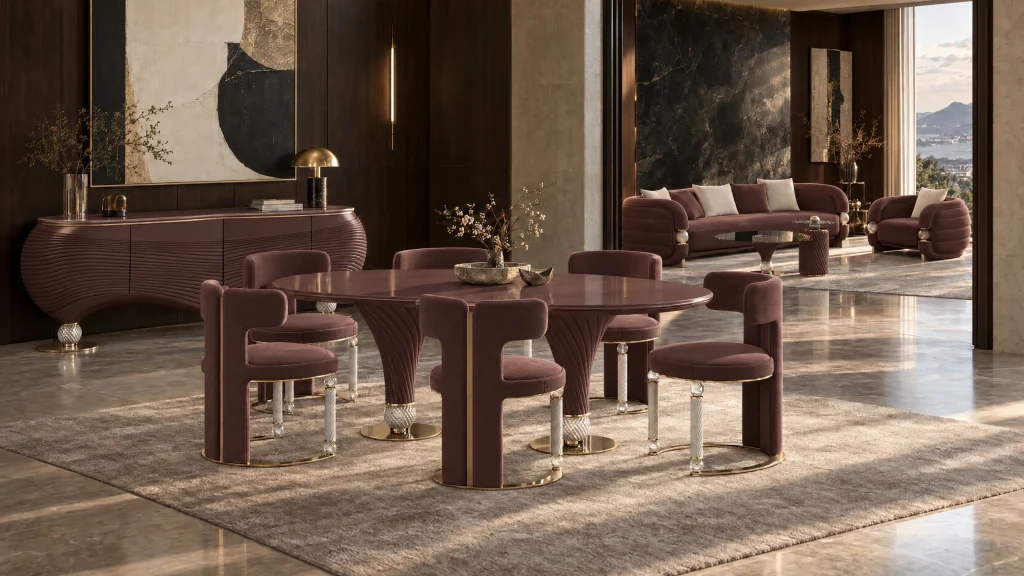
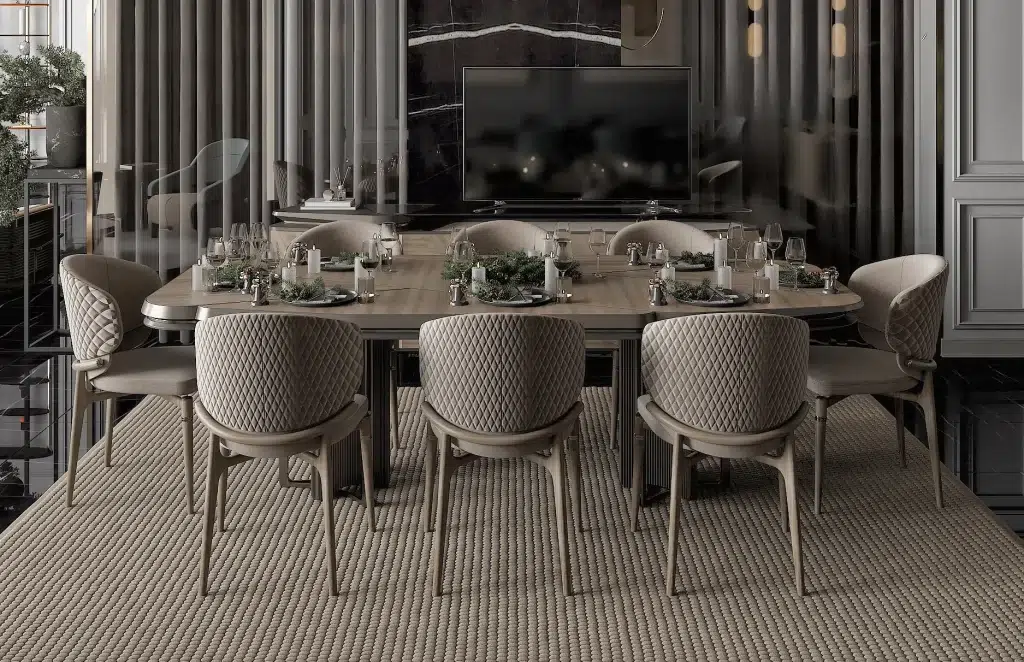
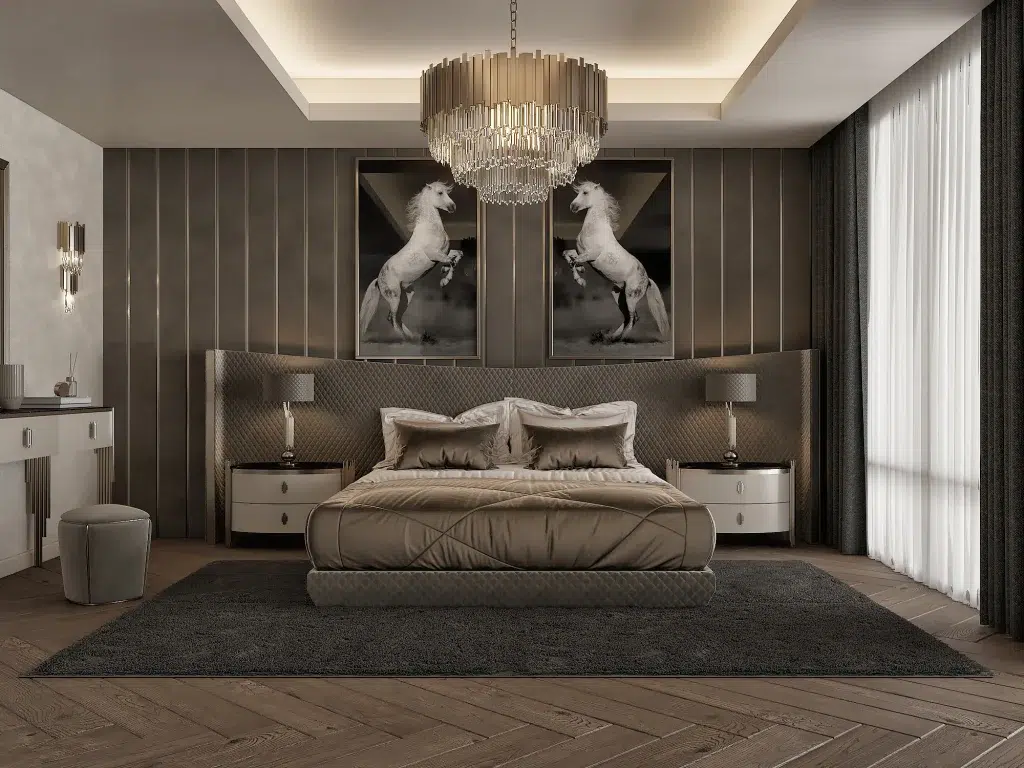
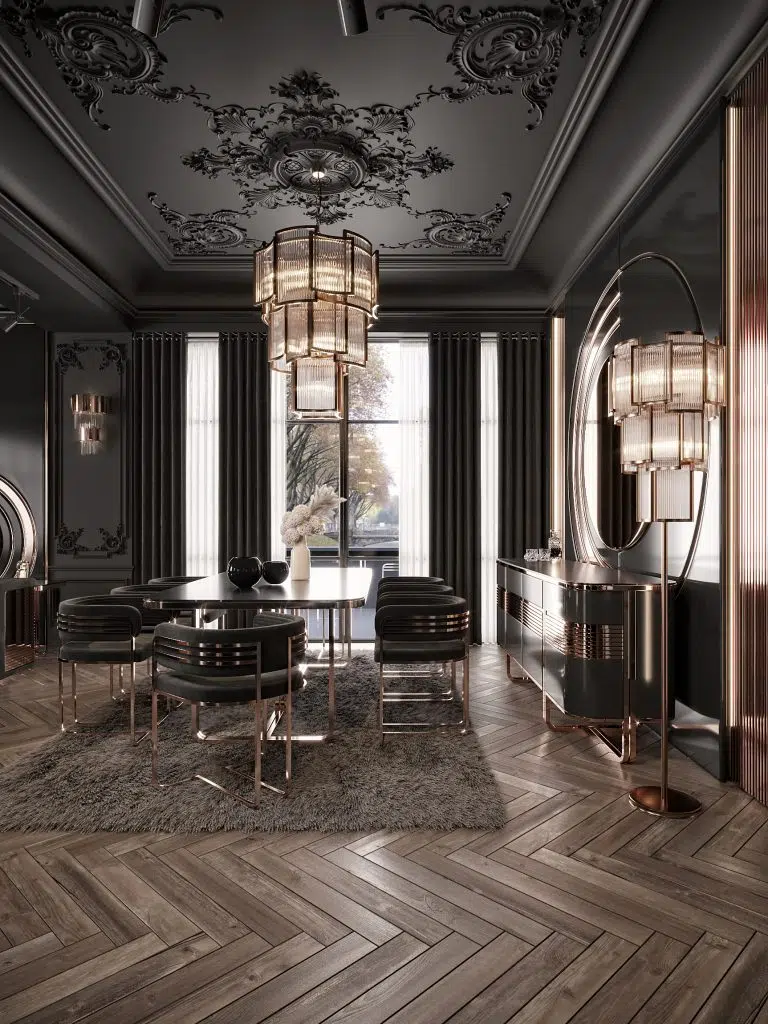
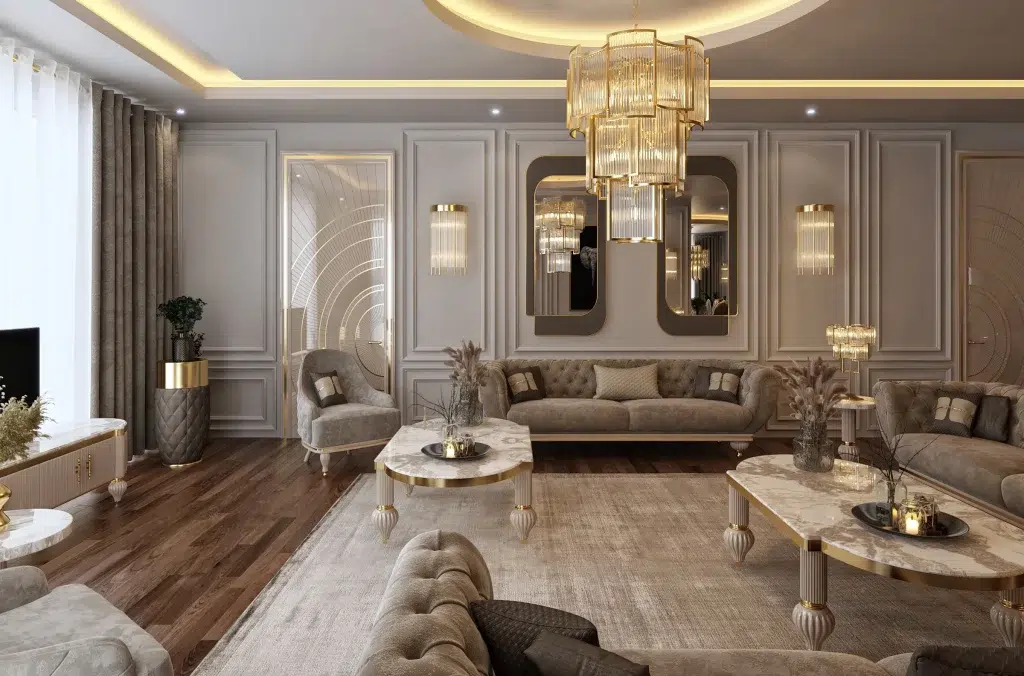
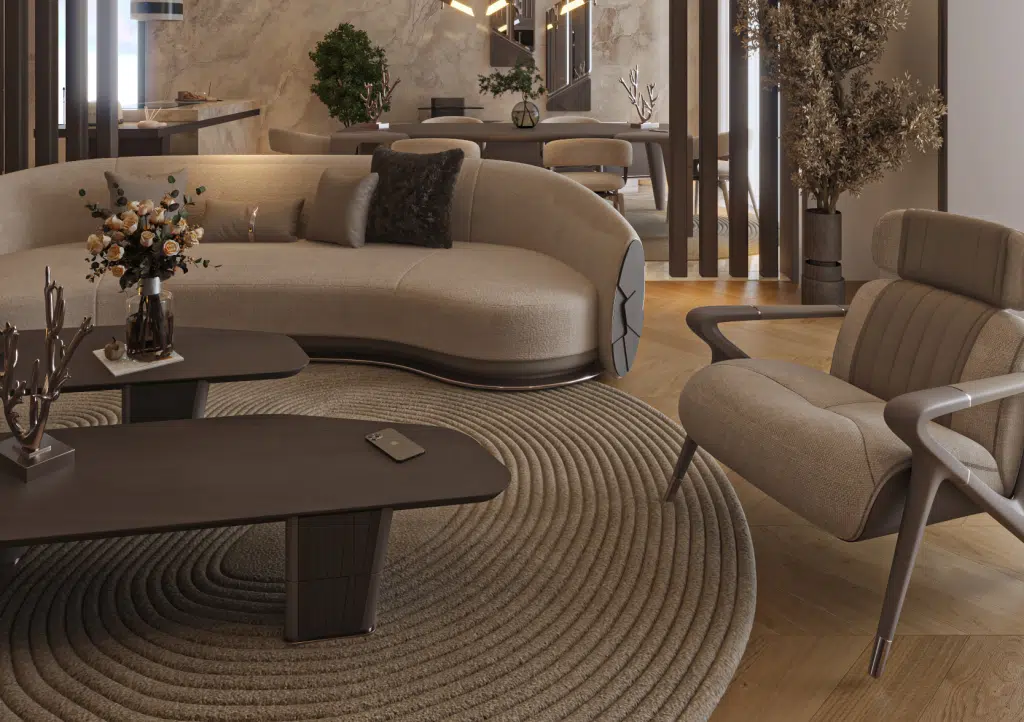
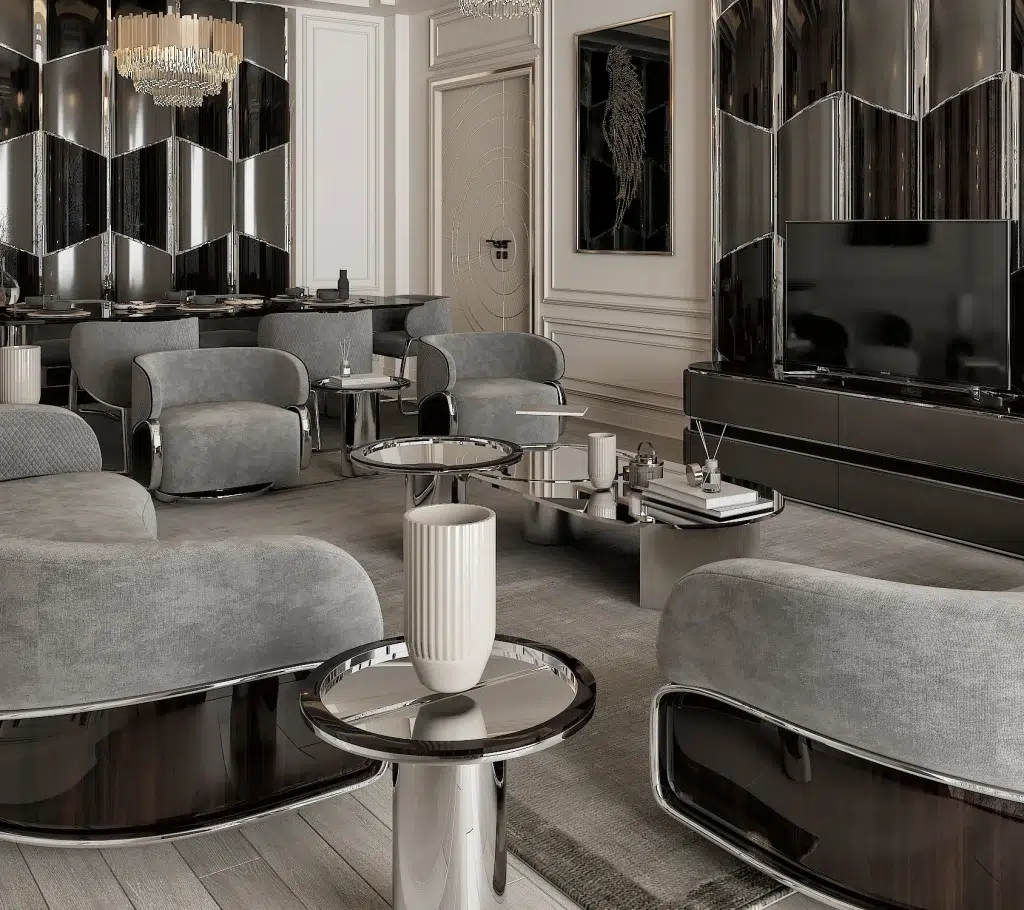
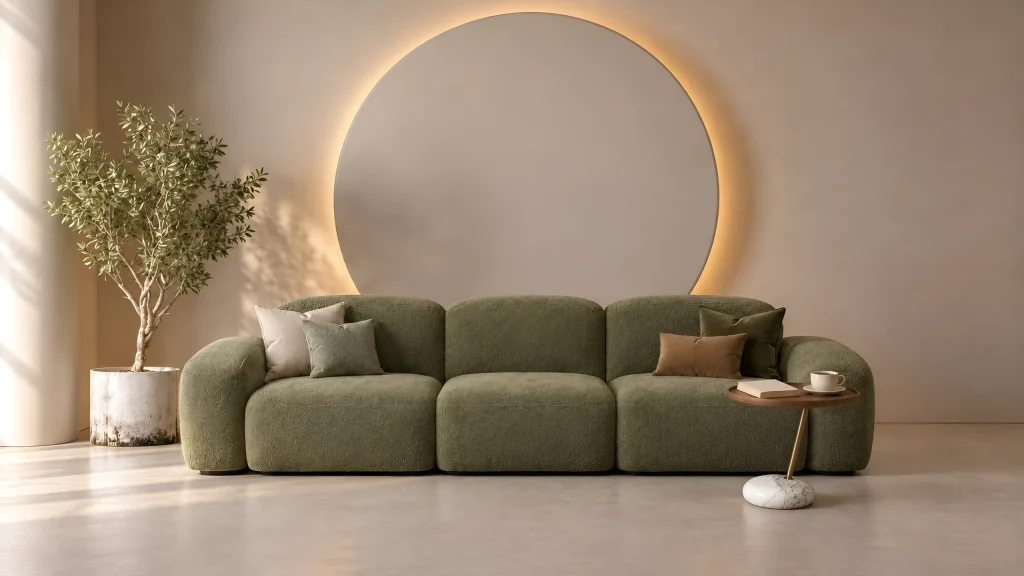
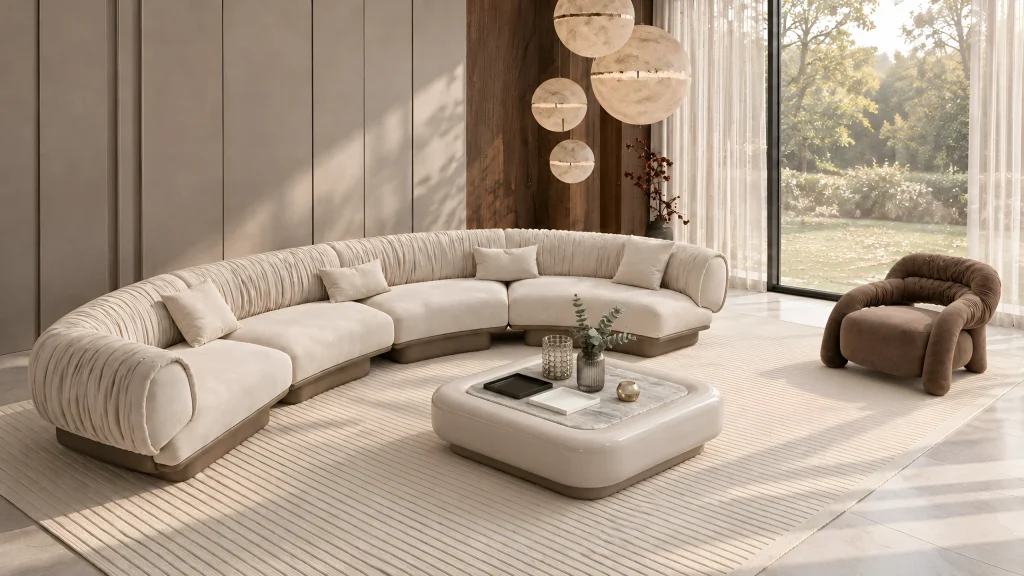
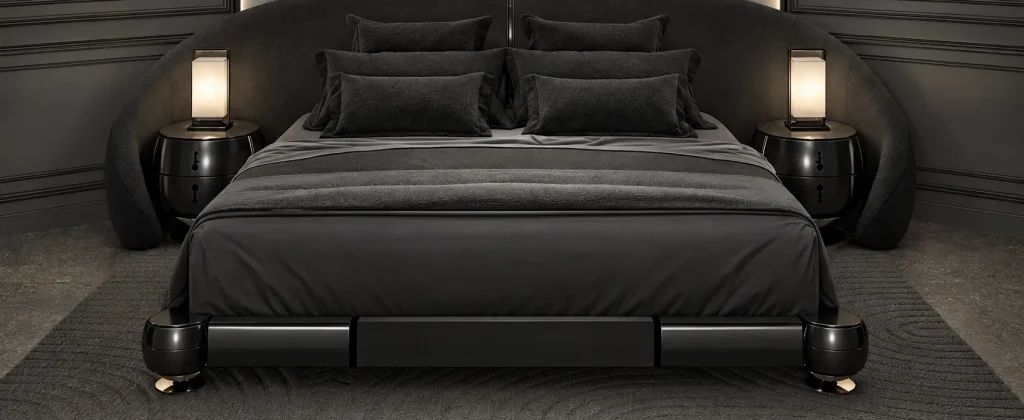

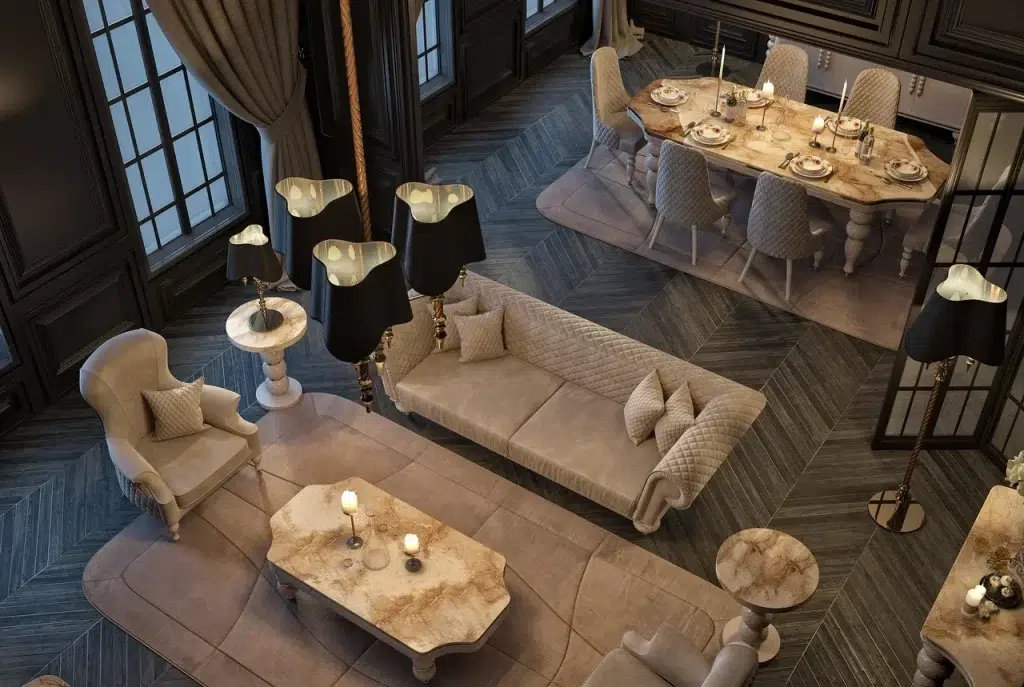
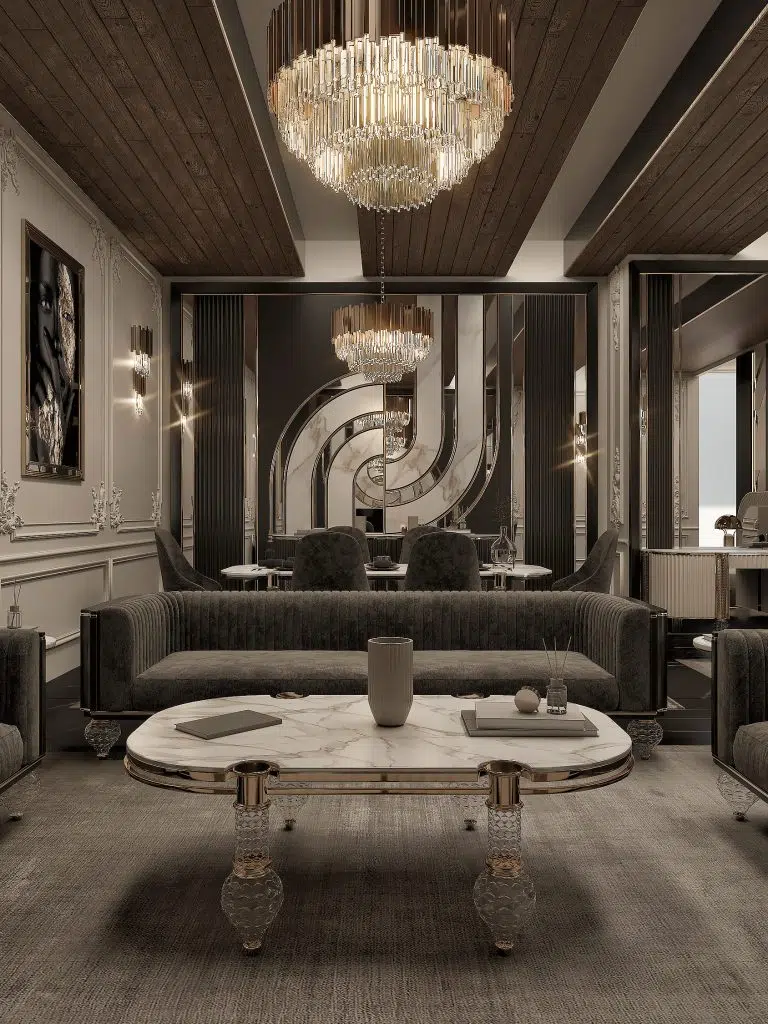
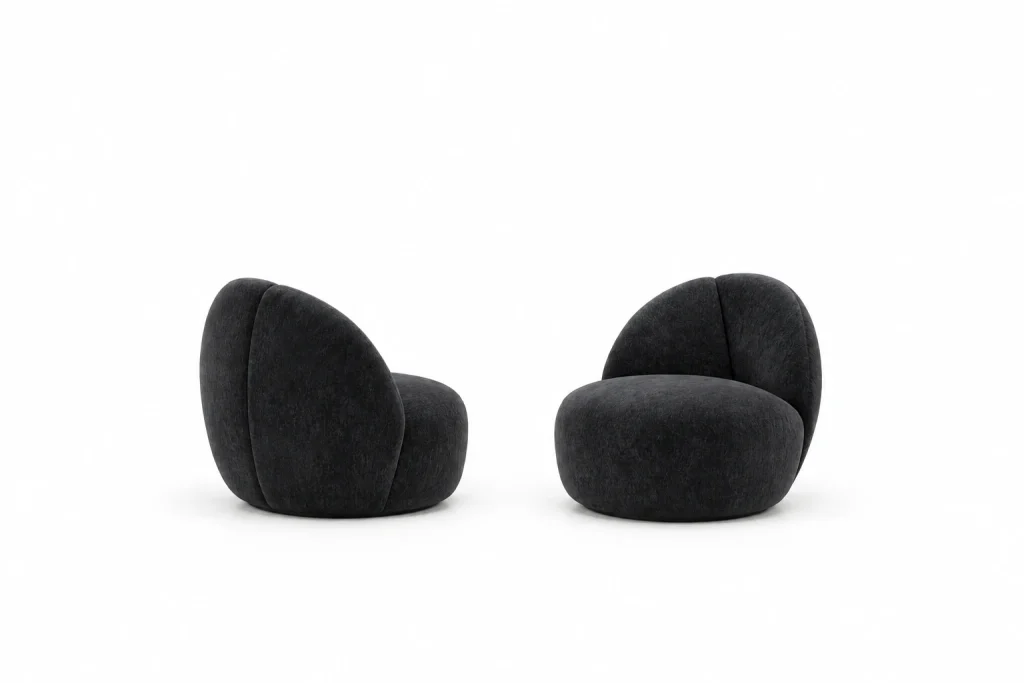
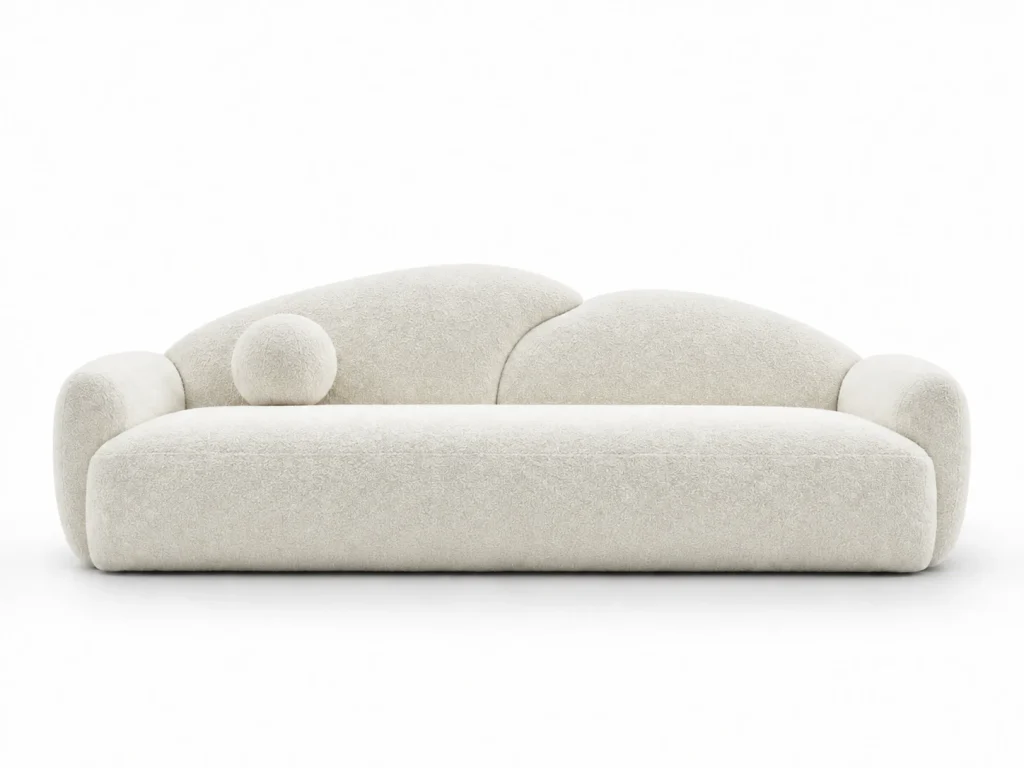
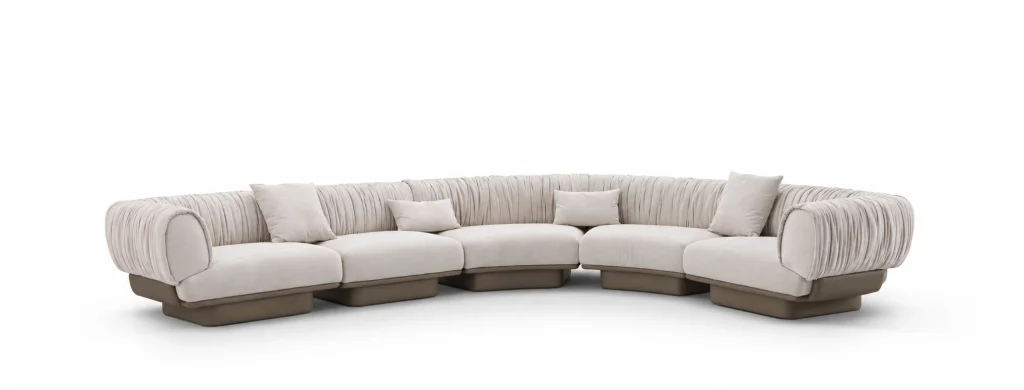
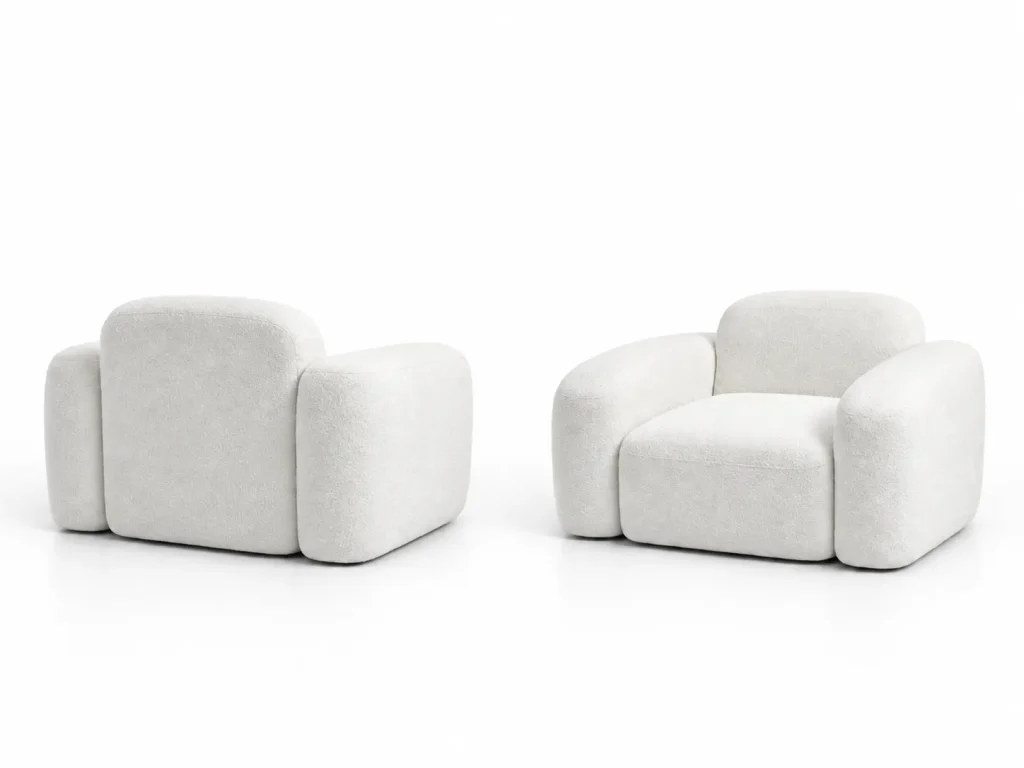
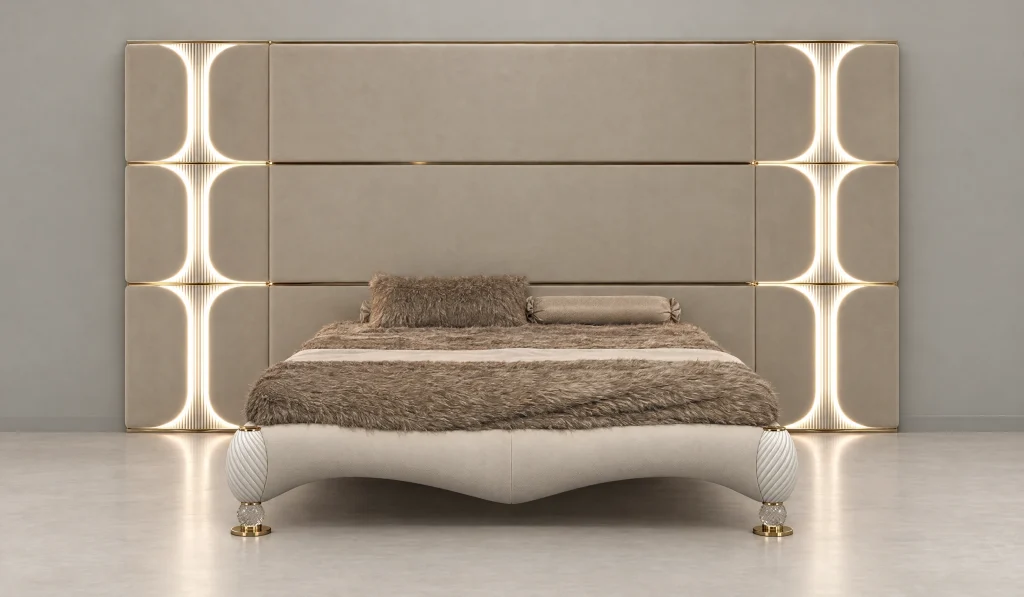
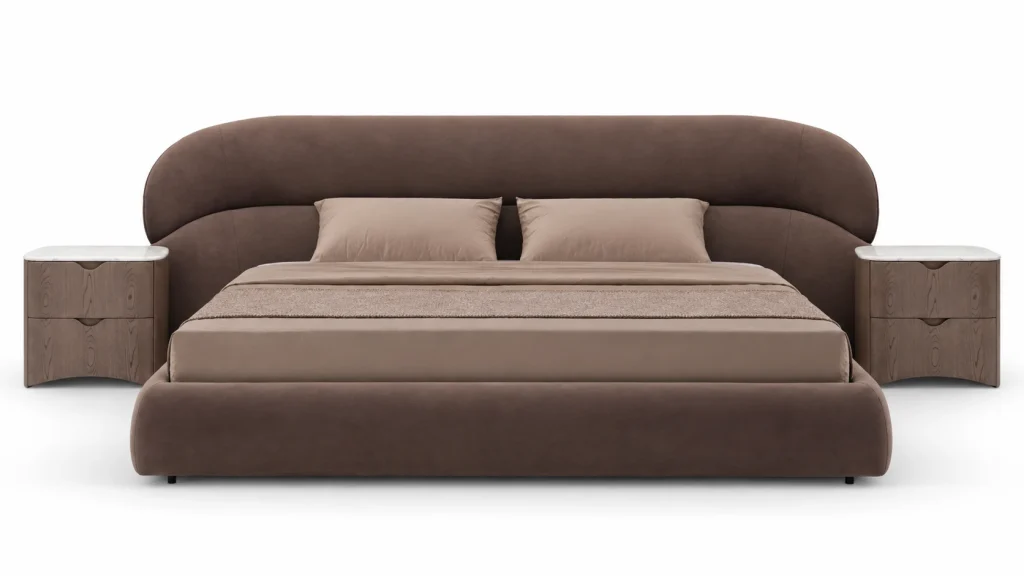
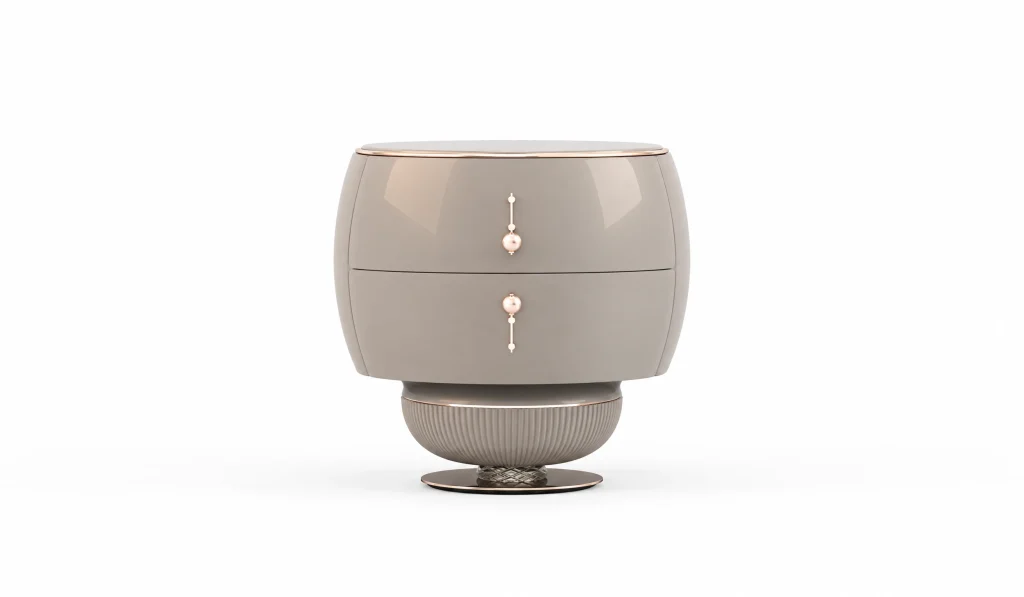
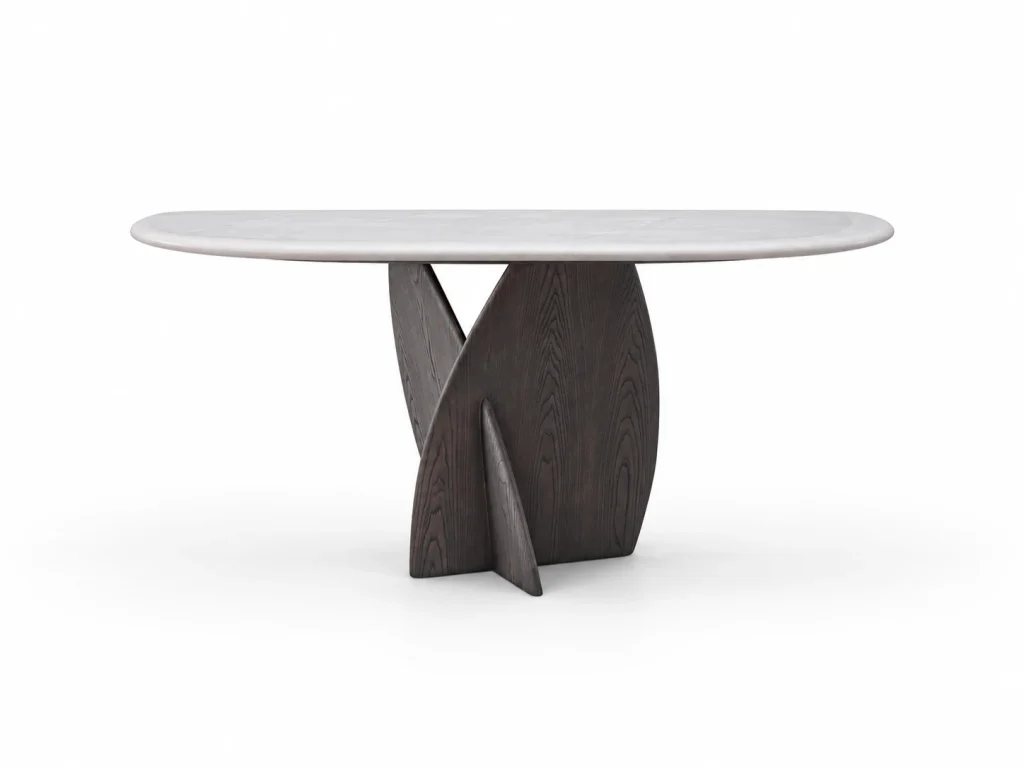
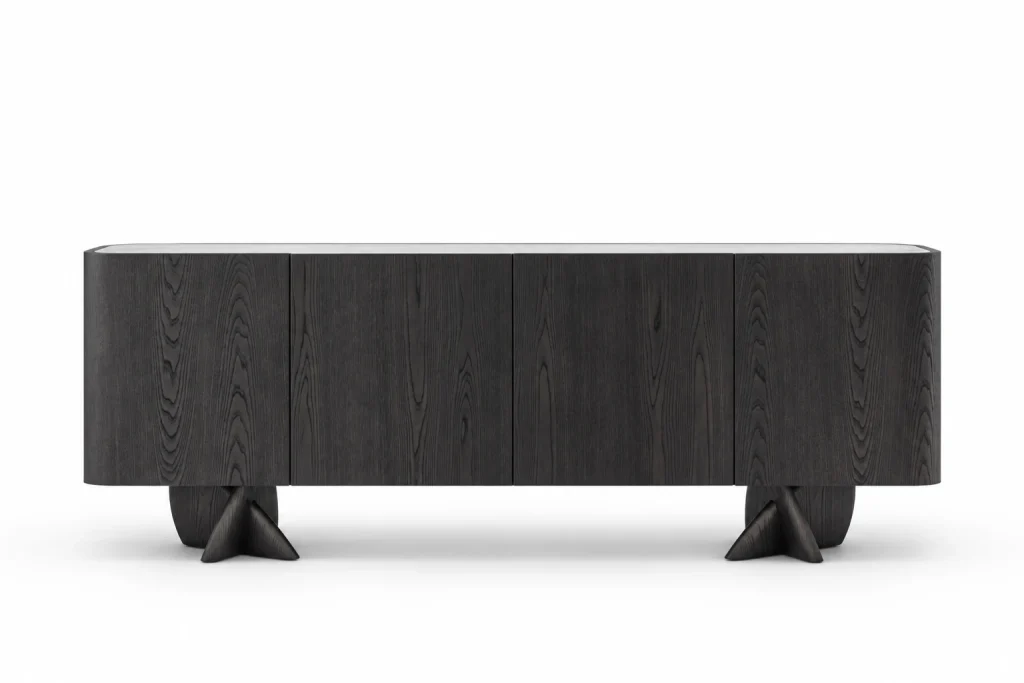
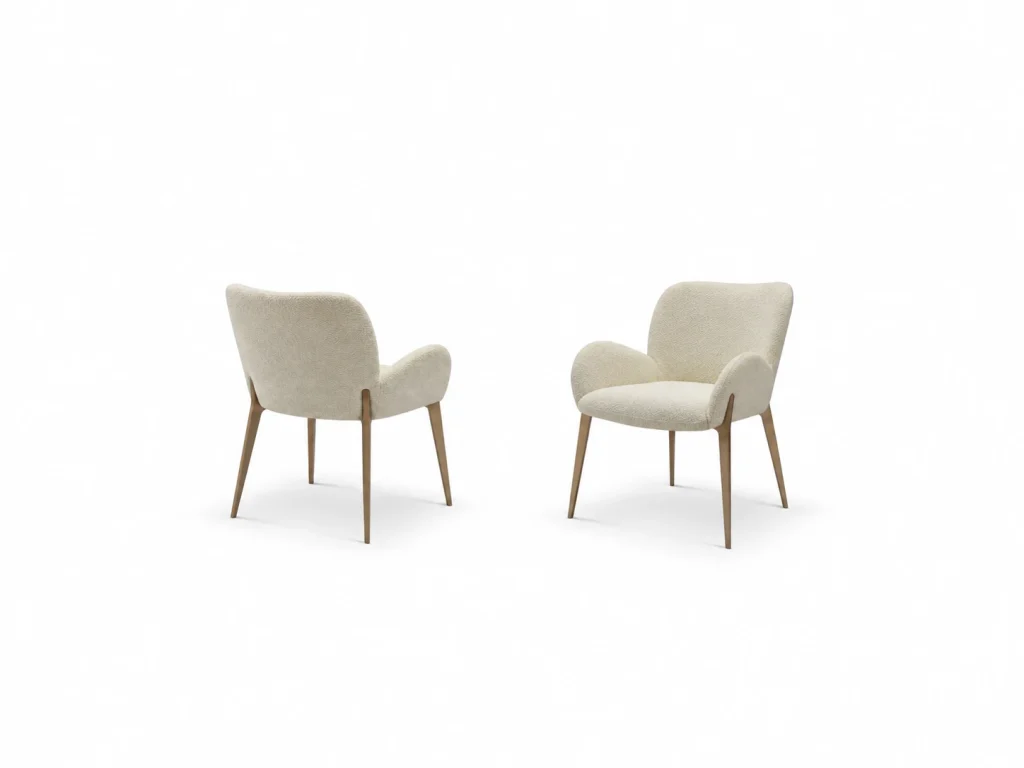
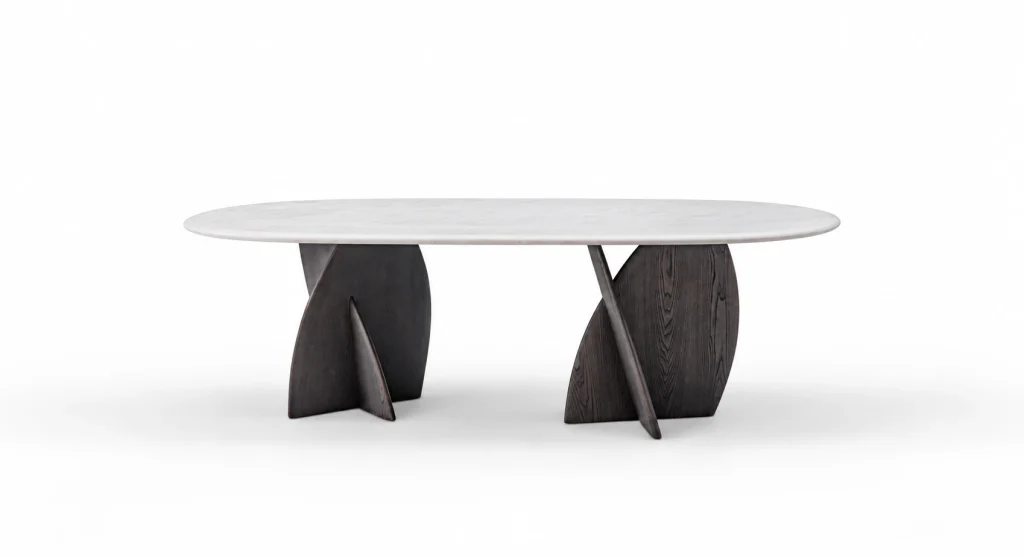
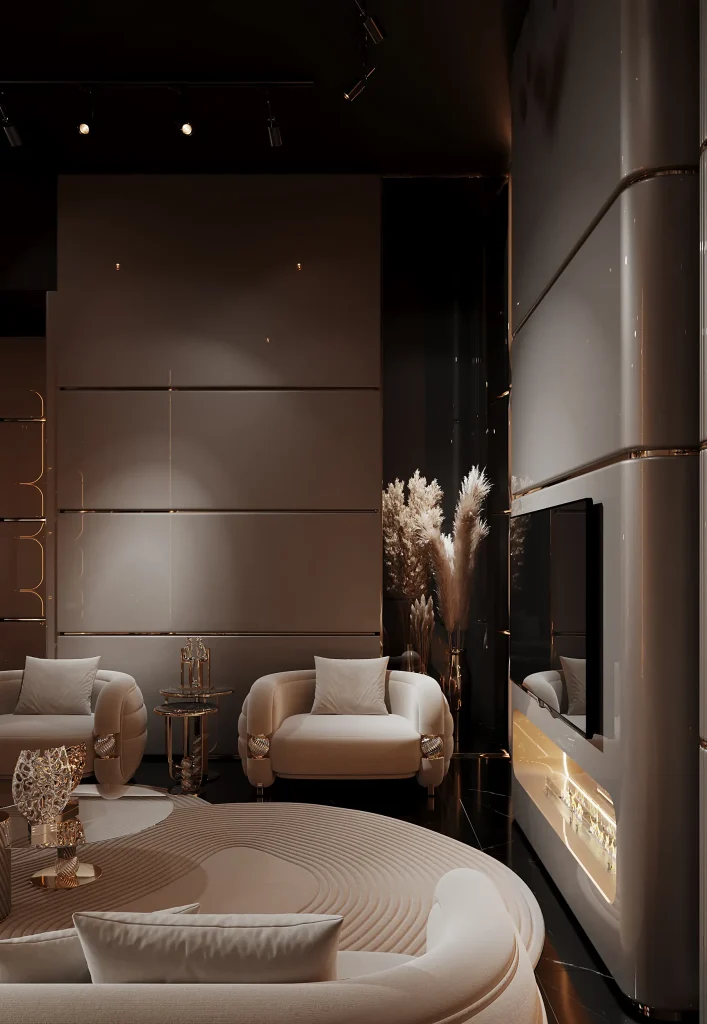
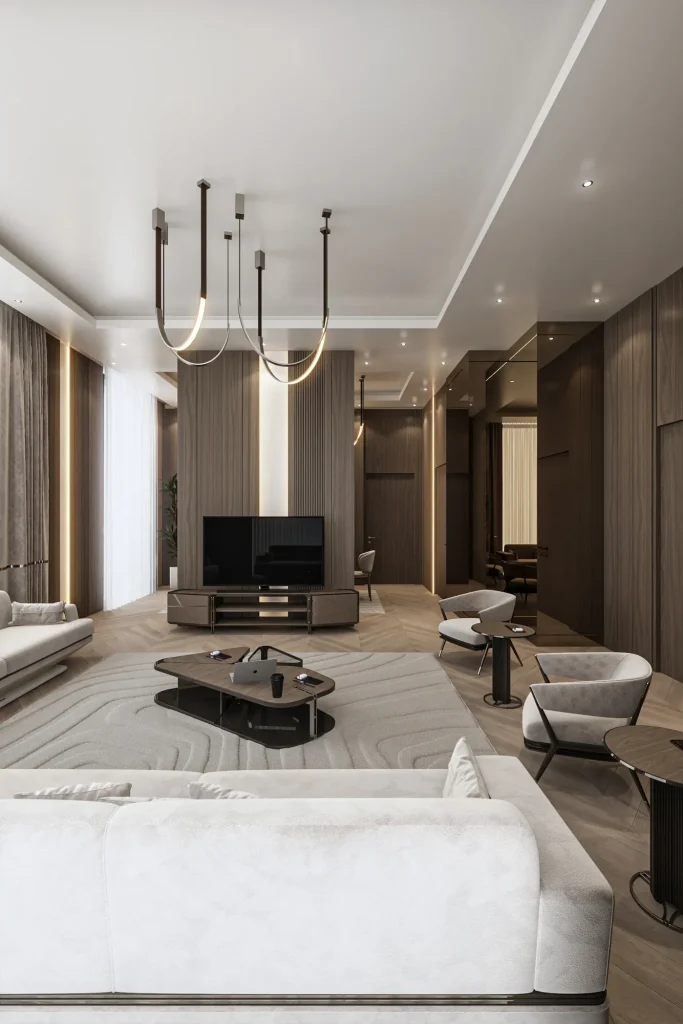
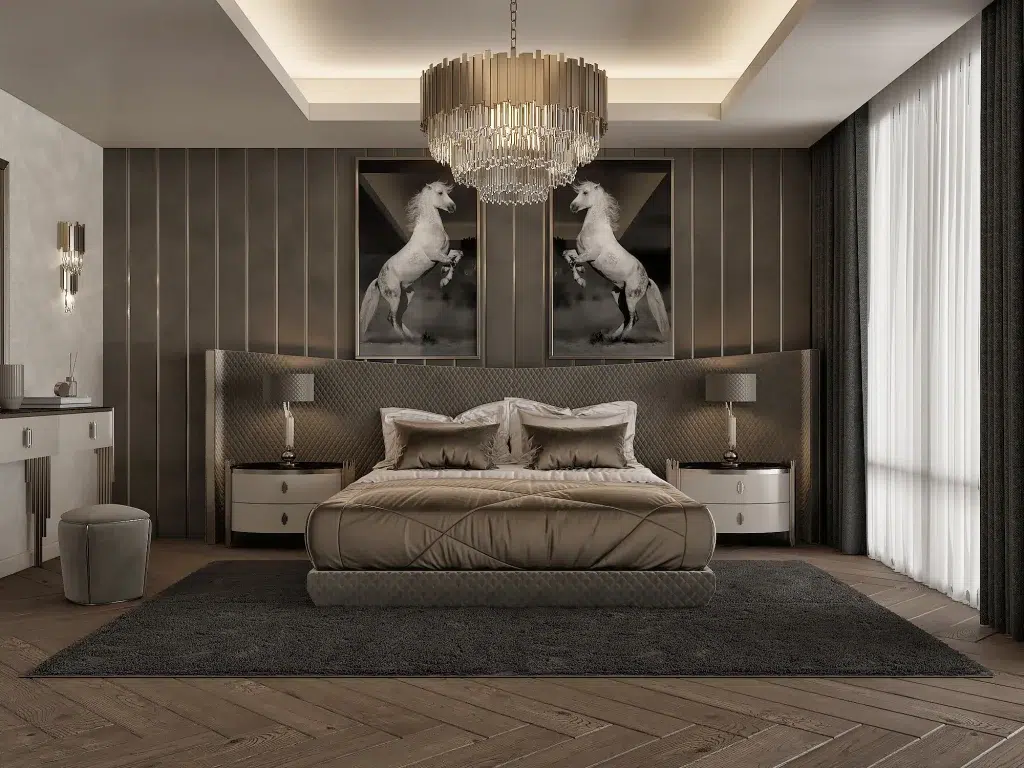
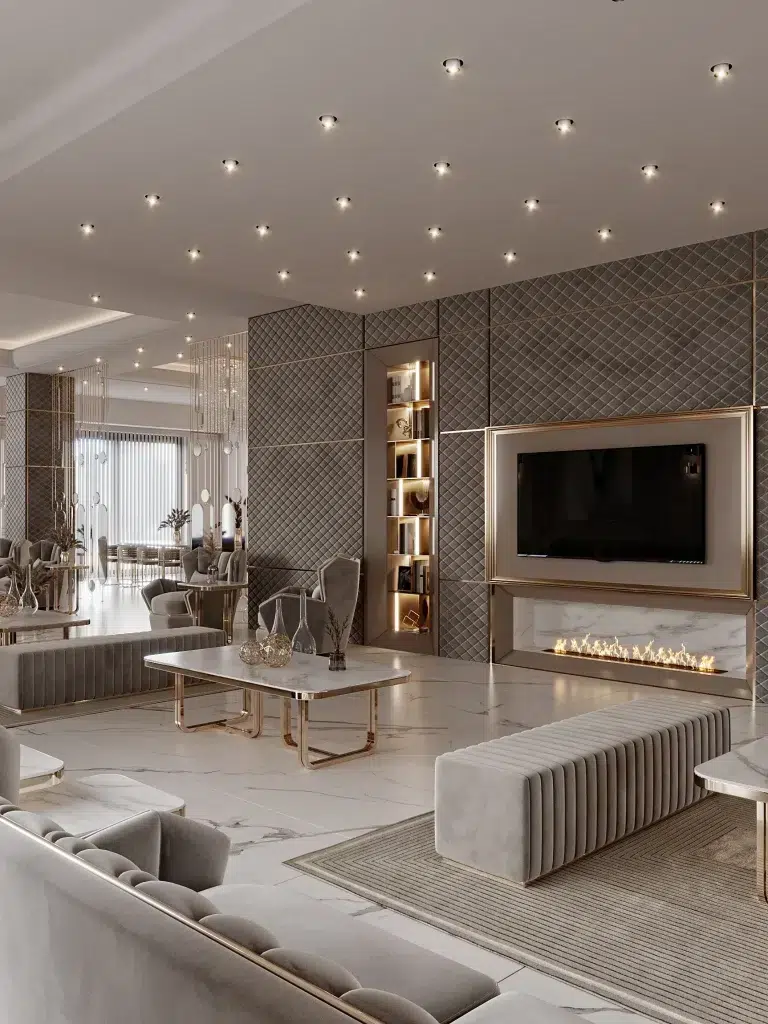
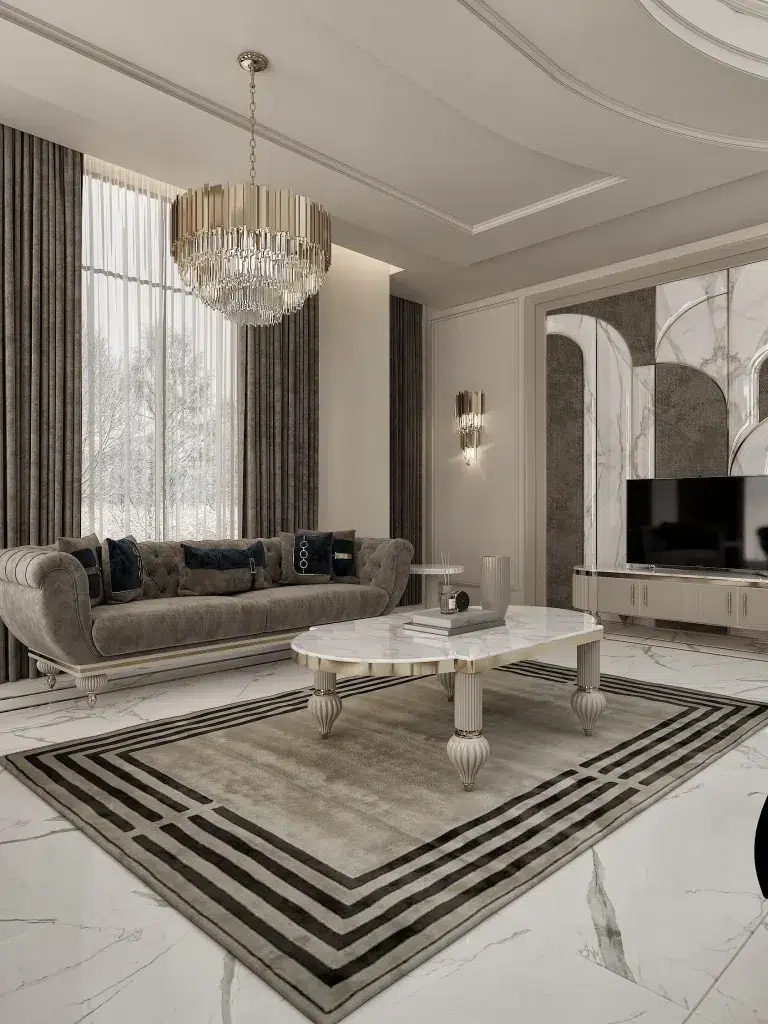
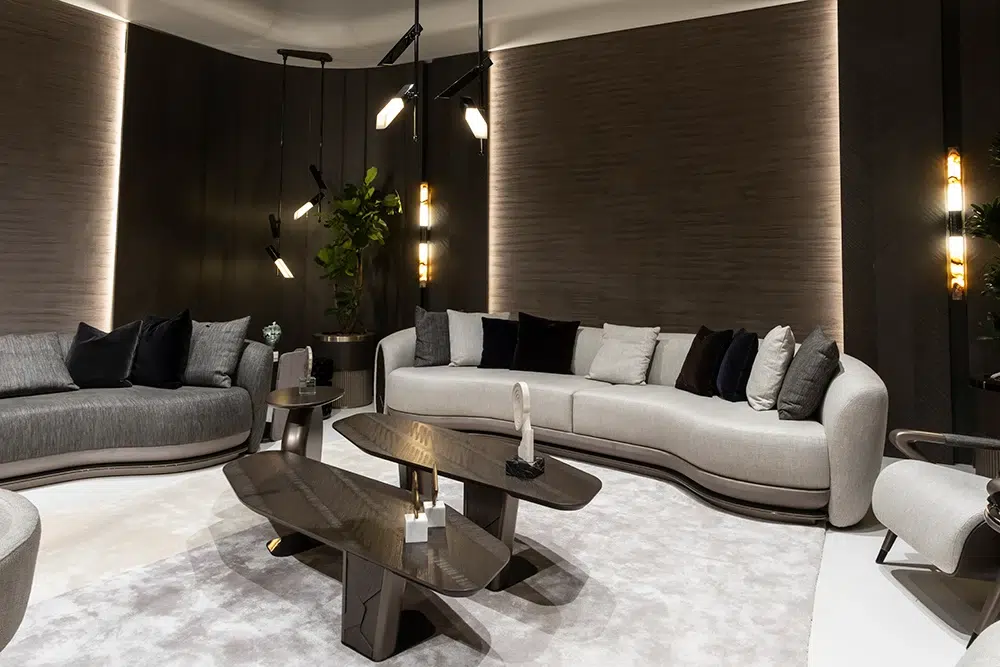
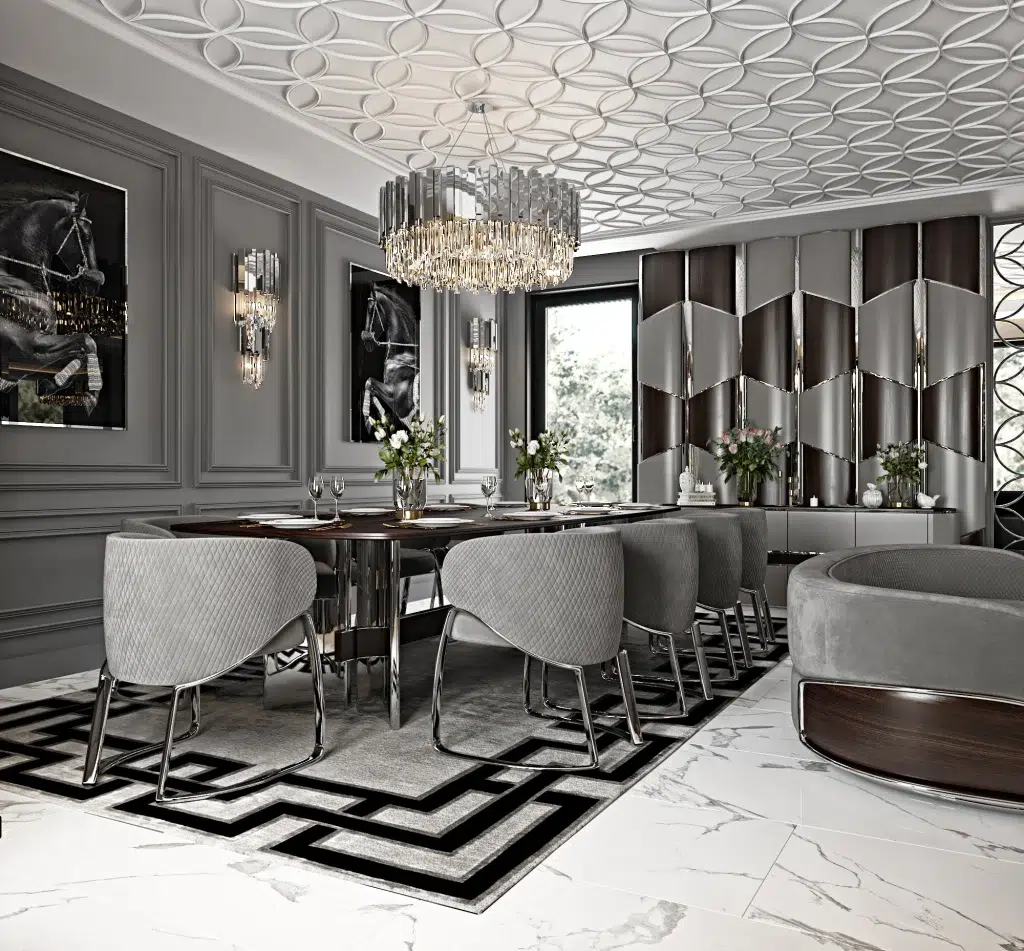
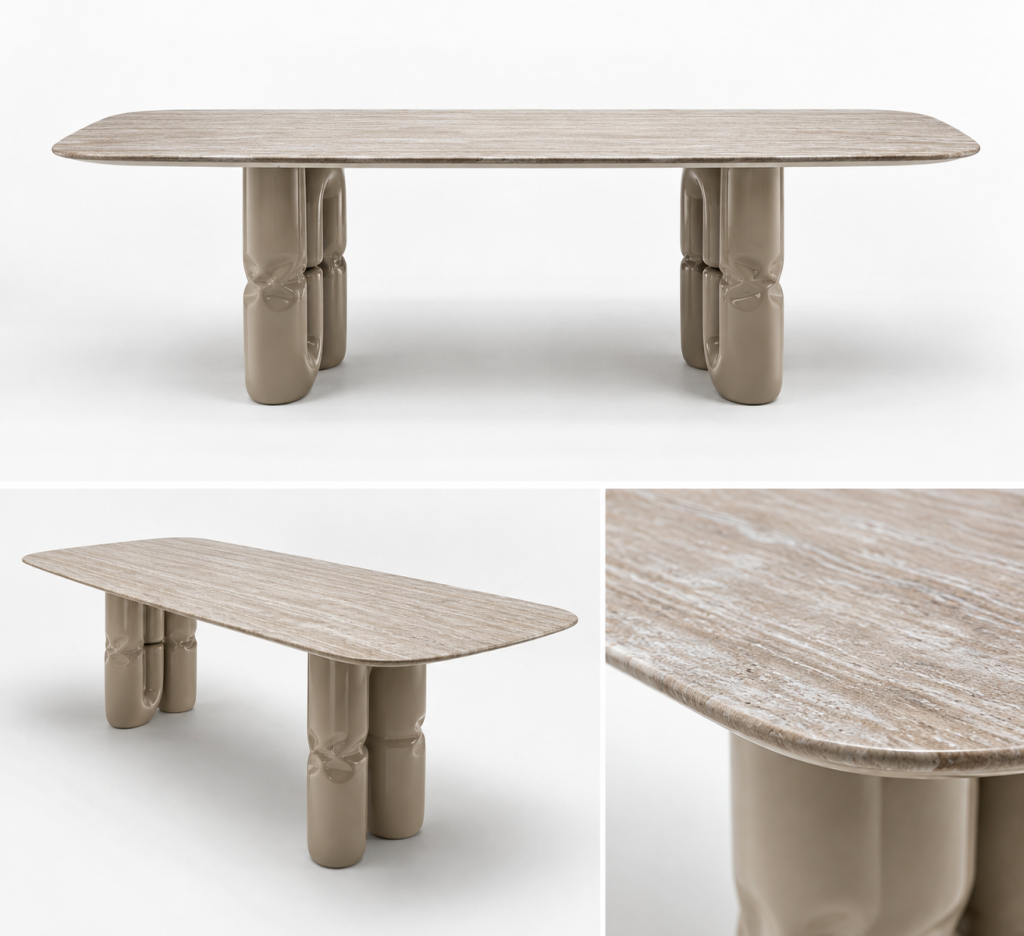

When you enter a room, you first notice the furniture; but the true element that determines how those furniture look is light. Light directly changes the texture of a fabric, the grain of wood, the luster of metal details, and the overall atmosphere of the space. The same sofa may appear cool and matte in a room facing north; it may appear warm and bright in the evening in a room facing west.
In this guide, we take a step-by-step approach to furniture placement based on natural light, layered artificial lighting, and how light color affects furniture.
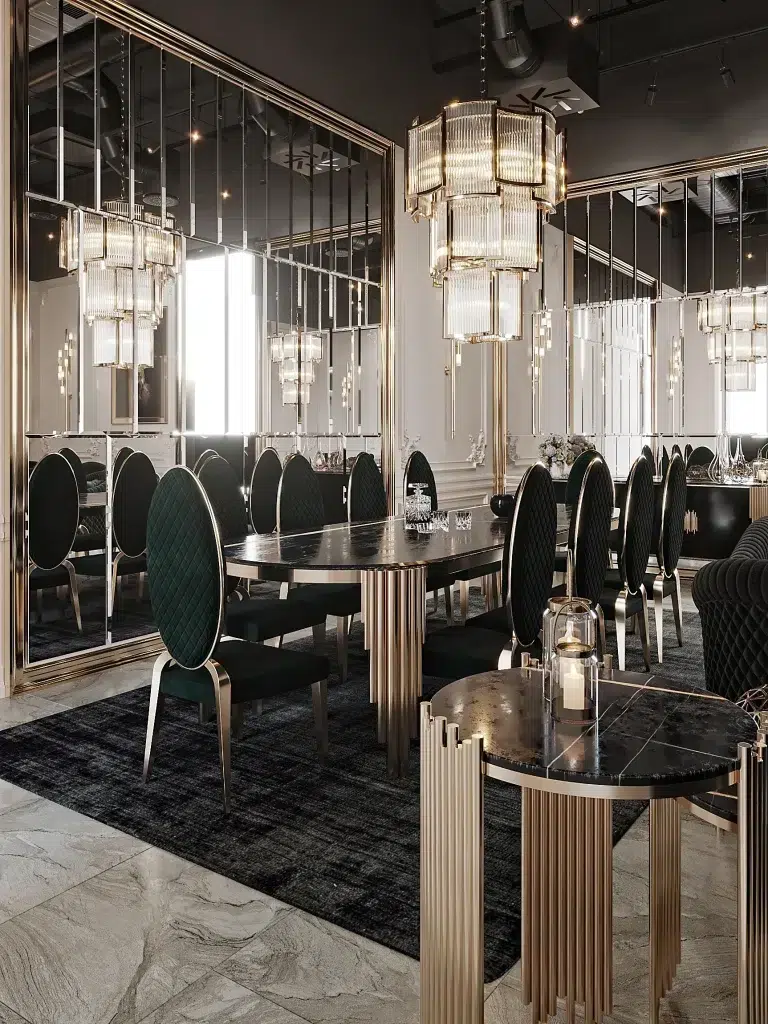
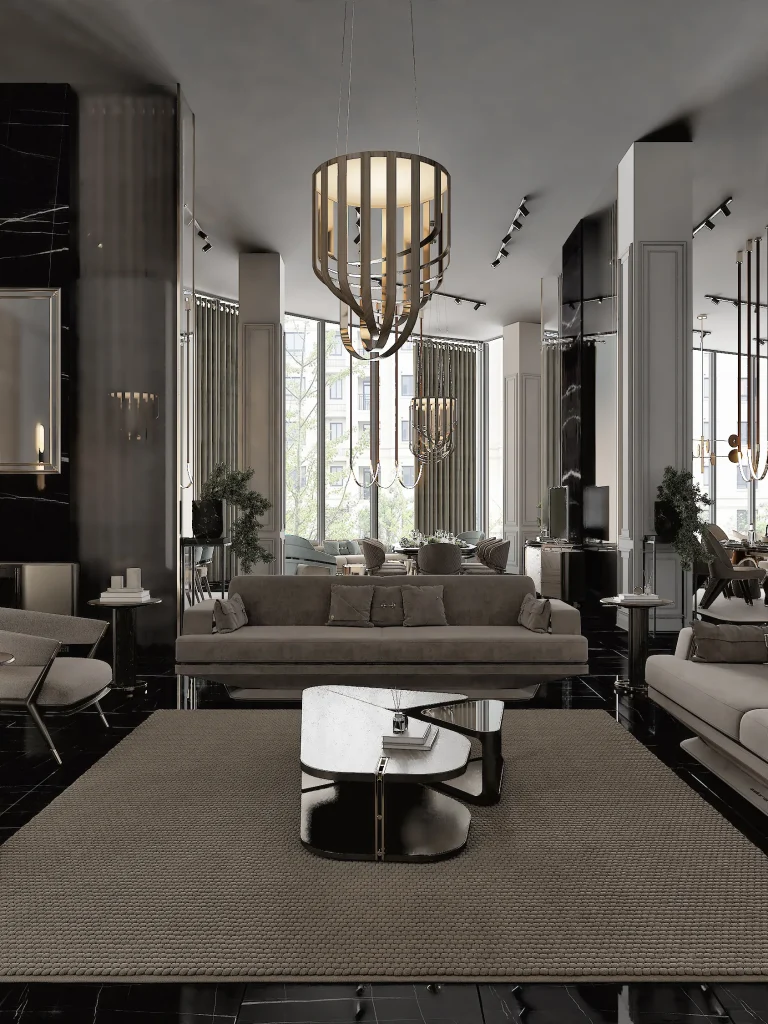
Furniture layout according to natural light
Natural light is the most effective decoration tool, but when used unchecked, it can also damage furniture. Before you start arranging the furniture, observe which direction the windows face and how the light moves through the room during the day.
Protect the fabric and wood from direct sunlight
- Reduce the risk of fading: Dark-colored and naturally-fibered fabrics, leather, and lacquered surfaces may change color over time when exposed to intense sunlight for a long time.
- Change the angle: Positioning sofas and valuable pieces perpendicular or at a slight angle to the window, rather than directly facing it, reduces direct exposure.
- Filter the light: Curtains, UV-filtering glass, or blinds soften the light while protecting the surface of the furniture.
Pair the light with the function of the area
- Reading corner: One armchair Position it near the window so that light comes from the side; you will get a natural and glare-free reading light throughout the day.
- TV and work area: To prevent reflection on the screen The TV unit and position the work table so that the light comes from the side, not from the back.
- Dining area: A dining table that gets daylight is the most enjoyable spot for breakfast and daytime gatherings; for the evening hours, plan a pendant light focused on the table.
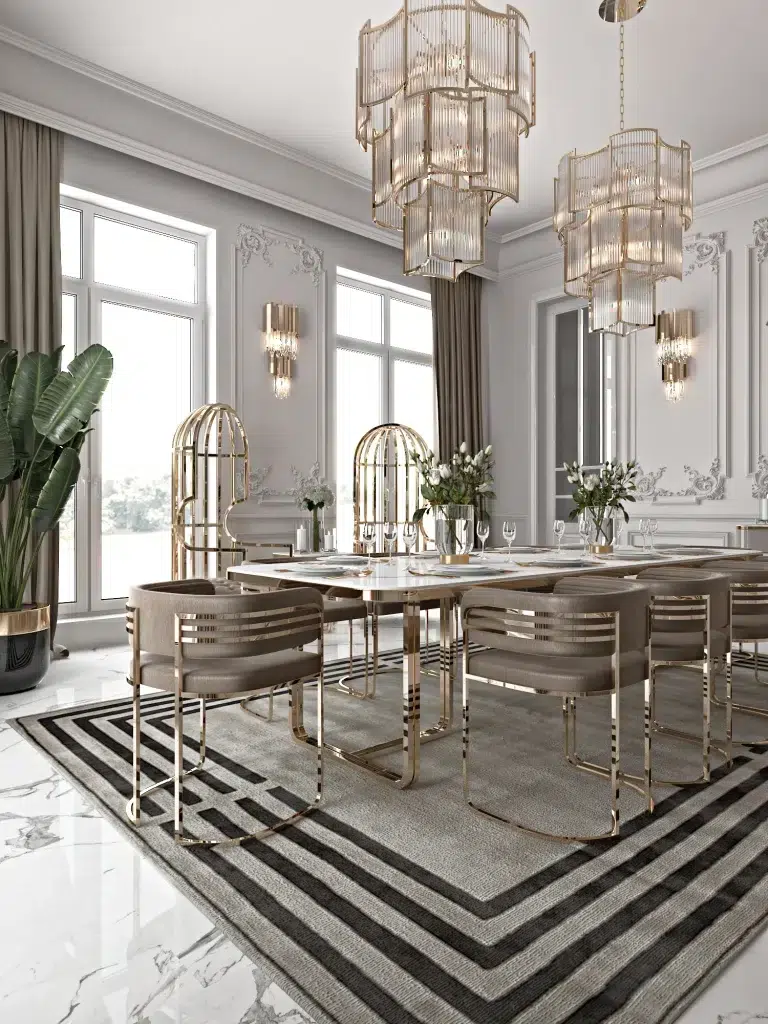
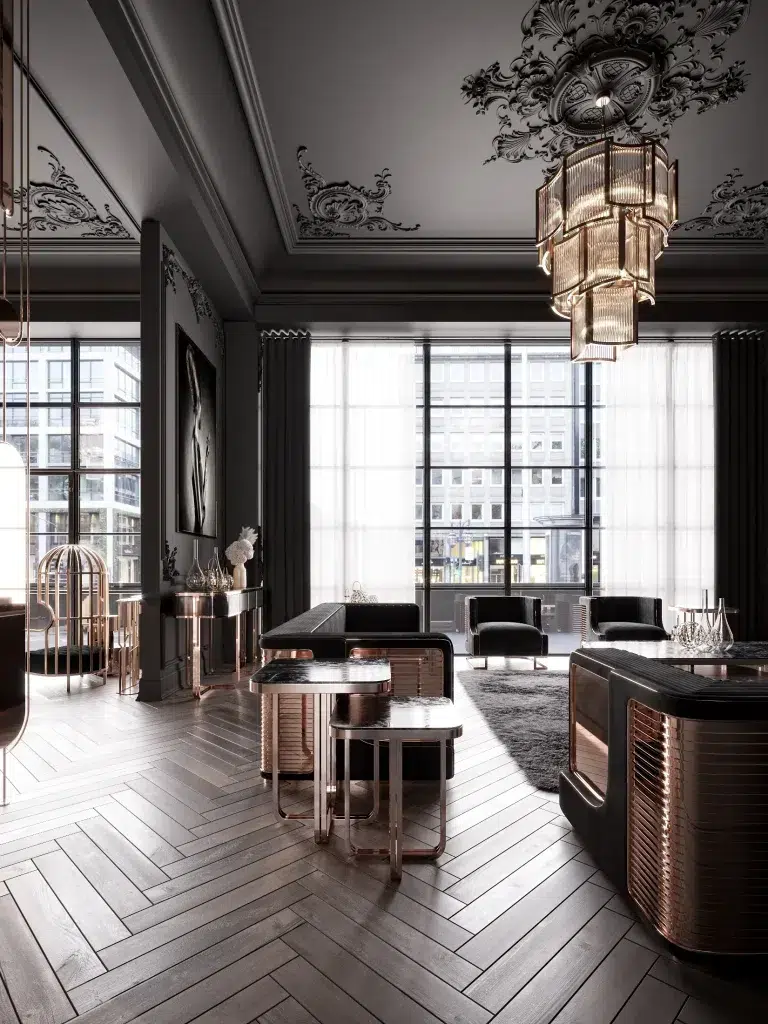
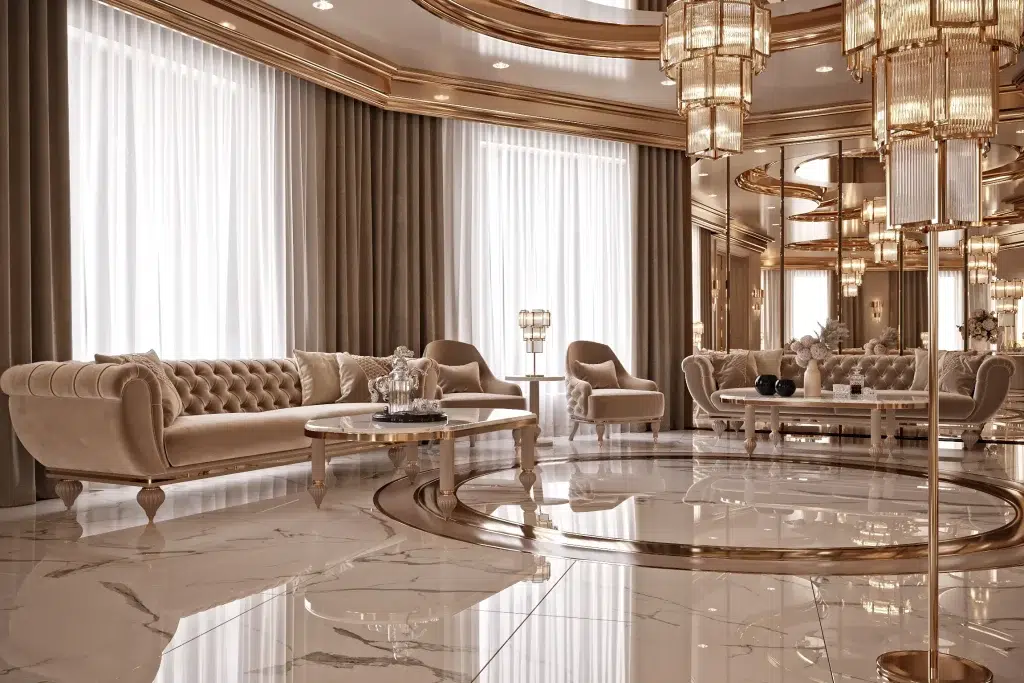
Three-layer artificial lighting plan
A single ceiling light illuminates the room but flattens the furniture; shadows disappear, textures become invisible. For a richer and more functional result, plan the general, task, and accent lighting together. Controlling each layer separately or with a dimmable switch allows you to create different atmospheres in the same room throughout the day.
1. General lighting
It provides the basic level of light in the room. Chandeliers, pendants, recessed spotlights, and concealed ceiling lights are located in this layer. The overall light determines the entire color tone of the furniture; in living spaces, warm white tones highlight the warmth of wood and fabric.
2. Task lighting
It is more intense and directed light that supports a specific task, such as reading, working, or dining. Table and reading lamps, bedside lamps, and dining table pendants fall into this category. Direct the light toward the surface being used, not the furniture itself: the reading lamp should look at the page, and the pendant lamp should be centered on the table top.
3. Accent lighting
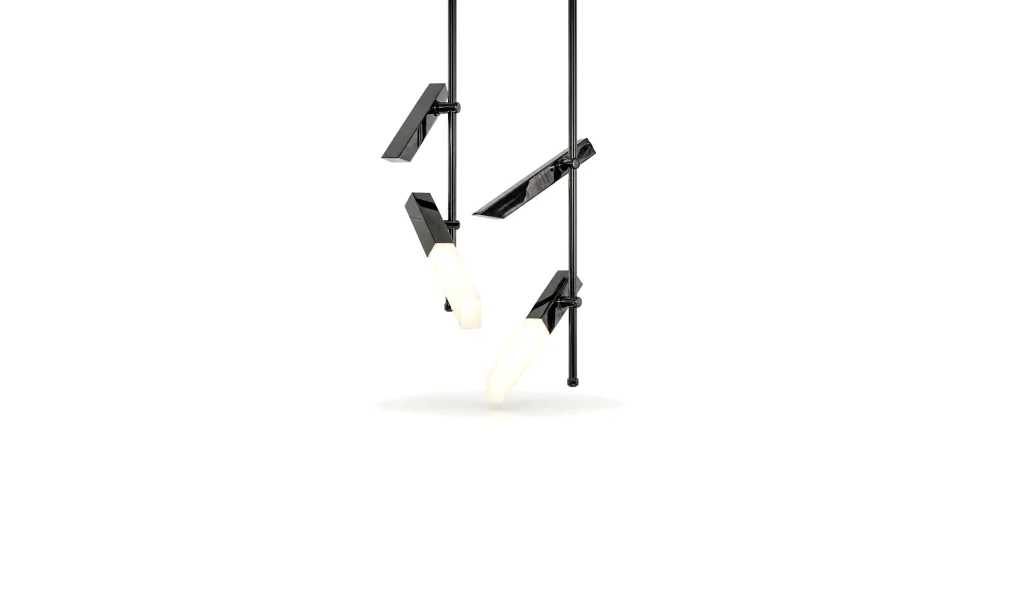
It creates the focal point of the space and showcases the strongest detail of the furniture. Track spotlights, display-cabinet lighting, picture lights and LEDs integrated into the furniture belong to this layer.
- Emphasis on texture: A light close to the surface and at a narrow angle highlights the grain of the wood or the texture of a velvet armchair.
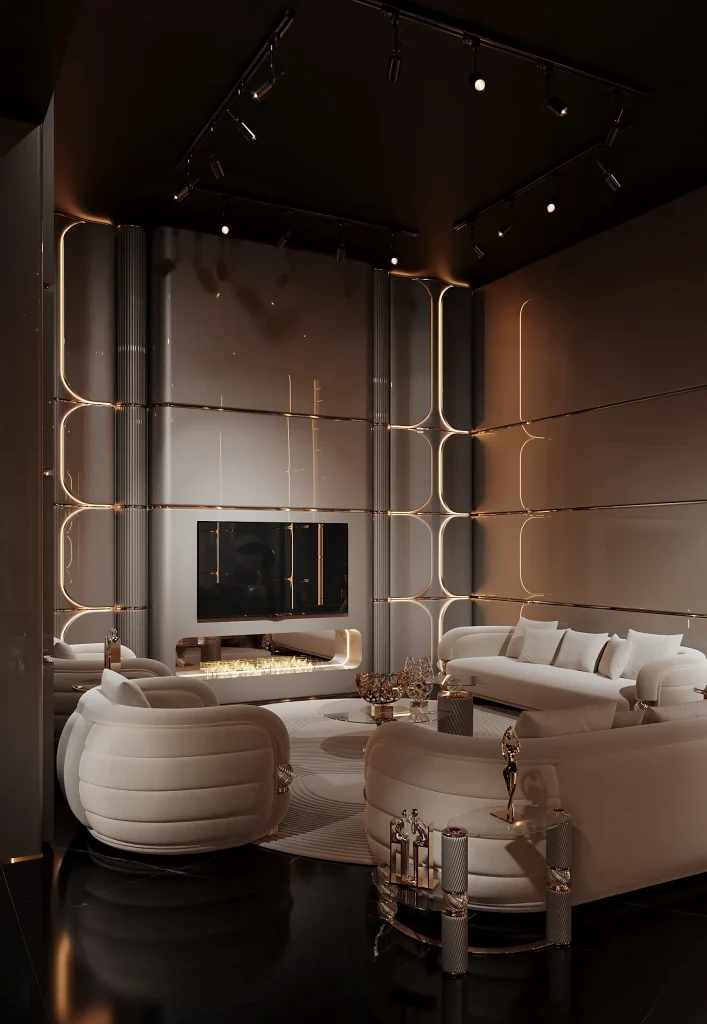
- Depth: Hidden LEDs placed behind headboards or wall panels add depth to the space and create a soft night light in the bedroom.
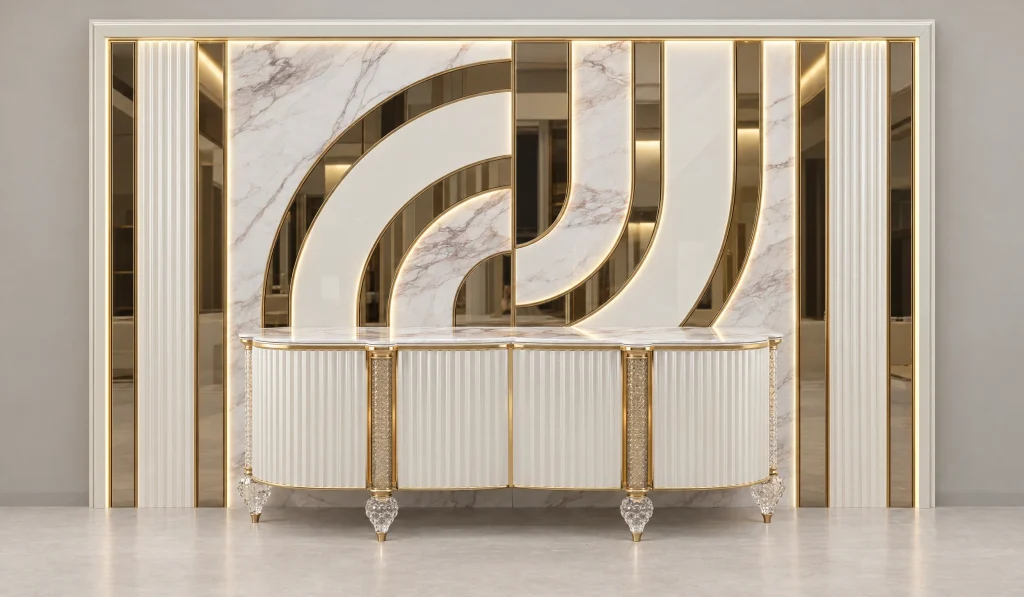
- Display cabinets and sideboards: Display case interior lighting highlights glass and crystal objects while giving the seating area indirect, warm light.
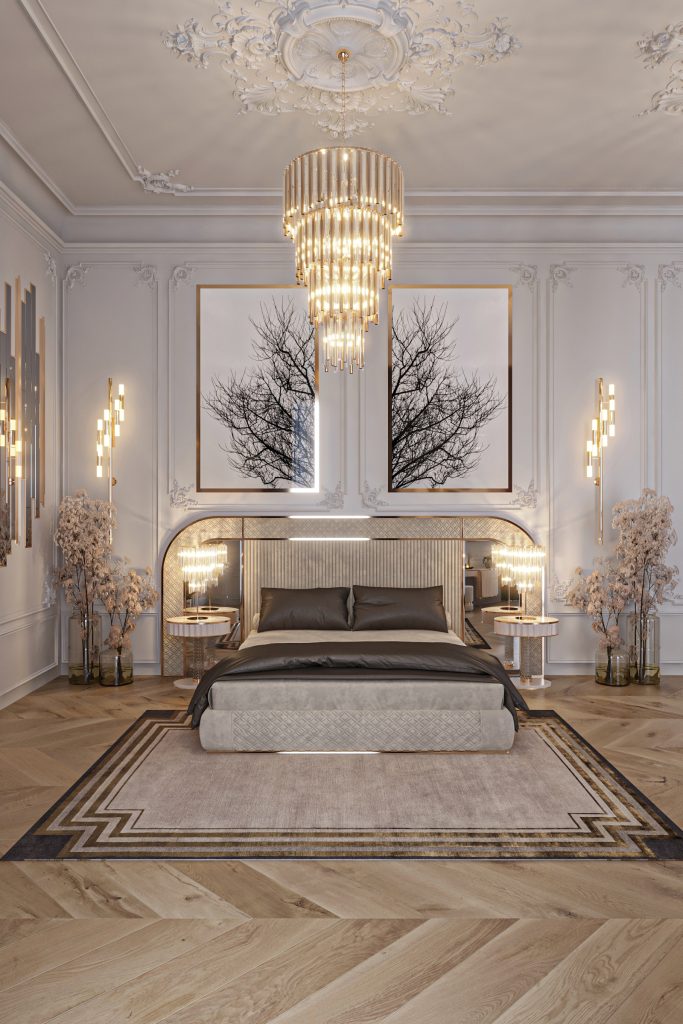

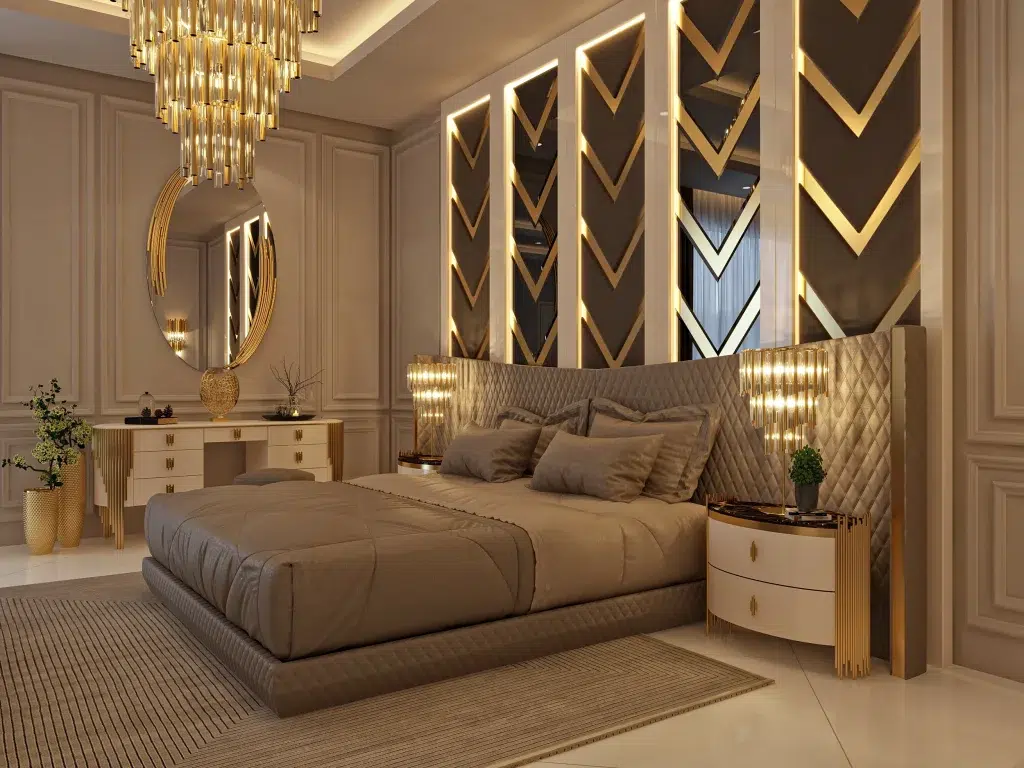
How does the color of the light change the furniture?
The color of the light is expressed in Kelvin (K) color temperature and directly affects how fabric, wood and metallic tones are perceived. As well as color temperature, the color rendering value (CRI) of the bulb is also important: light sources with a CRI of 90 or above show the true color of the furniture more accurately.
| Color temperature | Impact on furniture | Suitable areas |
|---|---|---|
| Warm white (2700–3000K) | Enriches brown, beige and gold tones; shows wood and textured fabrics at their warmest. | Living room, bedroom, dining room |
| Neutral white (3500–4500K) | It displays colors more evenly and realistically; it clarifies gray and blue tones. | Work area, dressing room, kitchen |
| Cool white (5000–6500K) | Enhances blue tones; it can make warm-colored furniture look pale. | Technical and storage areas |
Avoid mixing different color temperatures in the same room. Keeping all layers in the same warm tone in living spaces ensures that the furniture looks more cohesive and comfortable.
Room-by-room lighting recommendations
- Living room: Keep the general lighting dimmable; add a floor lamp next to the sofa, a soft chandelier above the coffee table, and indirect light on the wall panels.
- Dining room: Align the pendant with the center of the table. Usually, 75–85 cm is left between the tabletop and the bottom edge of the pendant; sit at the table to check that it does not block the line of sight. Complete sideboards and consoles with wall sconces or display lighting.
- Bedroom: Bedside wall sconces or nightstand lamps are sufficient for reading. Hidden lighting behind the headboard provides soft indirect light at night.
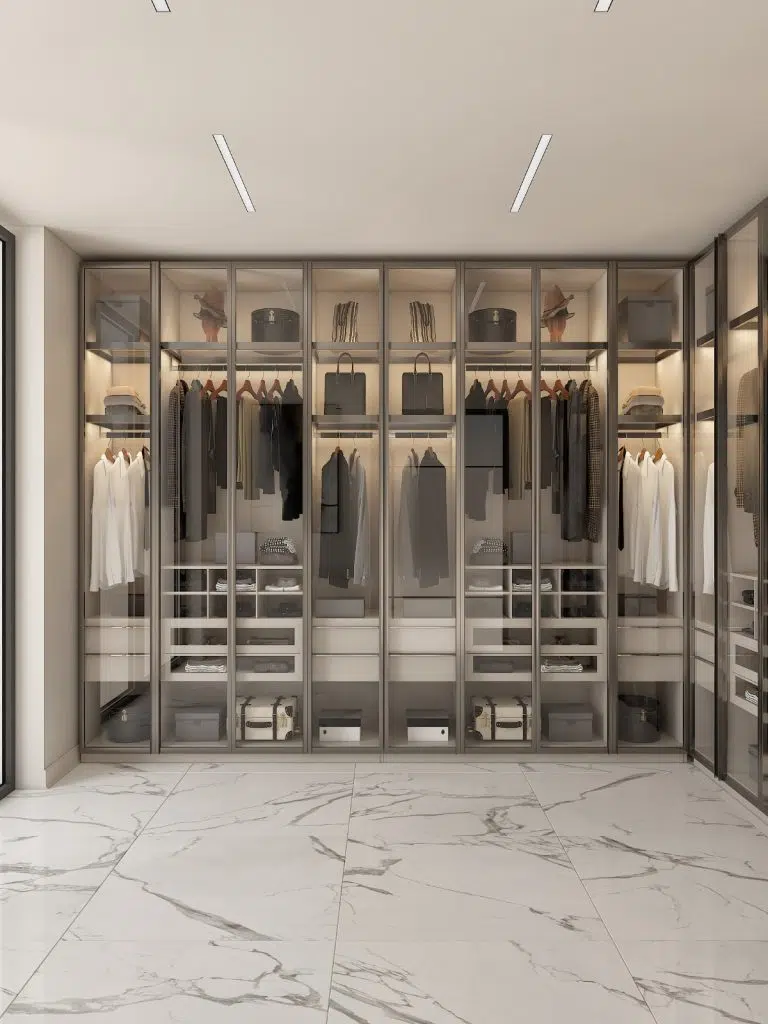
- Dressing room: Use neutral white, high-CRI light to see colors accurately; LEDs placed inside the wardrobes highlight clothes and accessories.
Frequently asked questions
Which light color best shows the furniture?
In living rooms, dining rooms, and bedrooms, warm white light of 2700–3000K shows the wood and fabric tones at their warmest. In areas like the dressing room where you need to distinguish colors, neutral white of 3500–4000K is more suitable.
How high should the chandelier above the dining table be?
As a general starting point, 75–85 cm should be left between the tabletop and the bottom edge of the chandelier. The size of the chandelier, ceiling height, and the line of sight of the occupants can change this measurement; try it out by sitting at the table before installation.
How do I protect my sofa from sunlight?
Instead of placing the chair directly opposite the window, position it at a side angle; use a tulle curtain or blinds during the day. For areas exposed to sunlight for long periods of time, ask your sales consultant about light-resistant fabric options.
Light doesn’t just illuminate furniture; it puts it on stage. To plan your living space together Design consulting you can use our service, or to see our collections under different lighting conditions, visit our nearest The Zebrano store you can visit.